
Search Engine Optimization is one of the most powerful digital marketing strategies in today’s online world. Whether you run a small business, startup, blog, or eCommerce store, understanding Search Engine Optimization can help you attract more visitors, generate leads, and grow revenue.
But what exactly is SEO, and why is it so important in 2026 and beyond?
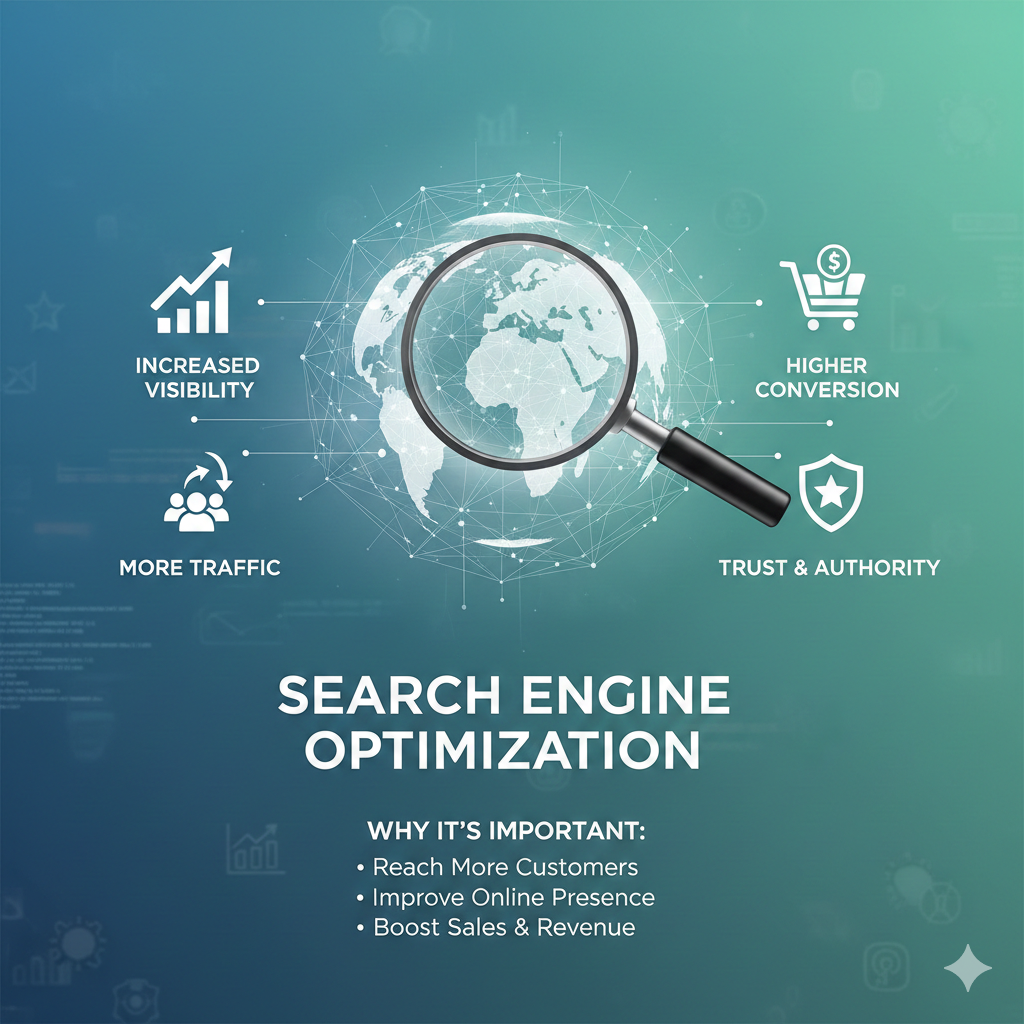
In this guide, you’ll learn what Search Engine Optimization means, how it works, and why every website needs it to succeed online.
What Is Search Engine Optimization?
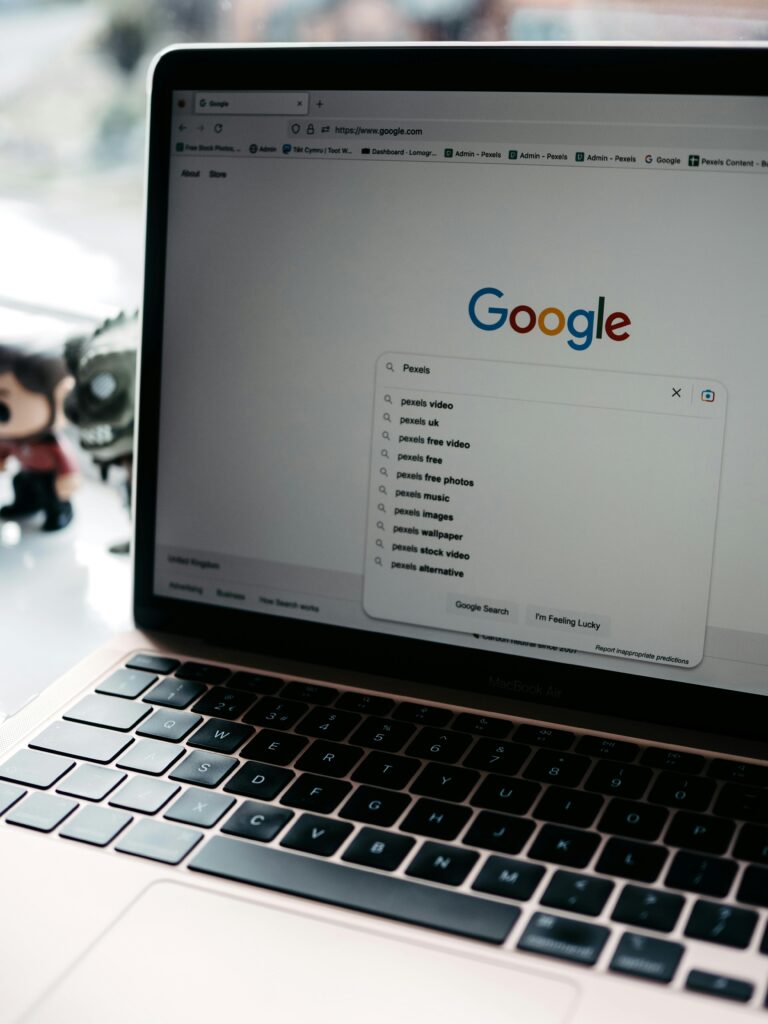
SEO is the process of improving a website so it ranks higher on search engines like Google.
When someone searches for information, products, or services, search engines display the most relevant results. SEO helps your website appear in those results organically (without paying for ads).
In simple terms:
SEO helps your website get found on Google.
The higher your ranking, the more visibility, traffic, and potential customers you receive.
How Search Engine Optimization Works
Search engines use automated systems called bots or crawlers to scan websites. These bots:
- Crawl web pages
- Index the content
- Rank pages based on relevance and quality
Search Engine Optimization improves your website so it meets search engine ranking factors.
These factors include:
- Relevant keywords
- High-quality content
- Website speed
- Mobile-friendliness
- Backlinks
- User experience
When your site aligns with these factors, search engines reward it with higher rankings.
Why Is SEO Important?
SEO is important because most online experiences begin with a search engine.
Here’s why SEO matters:
1. Increases Organic Traffic
Organic traffic means visitors who find your website naturally through search engines.
Unlike paid ads, organic traffic is:
- Cost-effective
- Sustainable
- Long-term
Good SEO brings consistent visitors without paying for every click.
2. Builds Trust and Credibility
Websites that rank on the first page of Google are often perceived as trustworthy.
Search Engine Optimization helps:
- Improve authority
- Build brand credibility
- Increase customer confidence
High rankings signal quality and reliability.
3. Delivers Long-Term Results
Paid ads stop working when you stop paying. SEO continues to bring traffic over time.
With proper Search Engine Optimization:
- Content ranks for months or years
- Traffic compounds
- Marketing costs decrease
SEO is an investment, not an expense.
4. Improves User Experience
Modern SEO focuses on users, not just search engines.
Google rewards websites that:
- Load quickly
- Are mobile-friendly
- Have clear navigation
- Provide helpful content
By improving SEO, you improve your website’s overall user experience.
5. Generates High-Quality Leads
SEO targets people who are actively searching.
For example:
- “Best digital marketing services”
- “Affordable SEO agency”
- “How to improve website ranking”
These users already have intent. Search Engine Optimization connects you directly with interested customers.
Types of Search Engine Optimization
SEO has three main parts:
1. On-Page SEO
On-page SEO focuses on content and page optimization.
It includes:
- Keyword placement
- Title tags
- Meta descriptions
- Headings (H1, H2, H3)
- Internal linking
- Image optimization
This ensures search engines understand your content clearly.
2. Off-Page SEO
Off-page SEO focuses on building authority outside your website.
It includes:
- Backlinks
- Social sharing
- Brand mentions
- Guest posting
High-quality backlinks improve trust and domain authority.
3. Technical SEO
Technical SEO improves website structure and performance.
It includes:
- Website speed
- Mobile responsiveness
- Secure HTTPS
- XML sitemap
- Structured data
Technical optimization ensures search engines can crawl and index your site properly.
Search Engine Optimization vs Paid Advertising
Many businesses ask whether SEO is better than paid ads.
Here’s the difference:
| SEO | Paid Ads |
|---|---|
| Long-term traffic | Instant traffic |
| Cost-effective over time | Continuous spending required |
| Builds authority | Stops when budget ends |
The best strategy often combines both, but Search Engine Optimization provides sustainable growth.
How Long Does SEO Take?
SEO is not instant.
Typically:
- 1–3 months: Initial improvements
- 3–6 months: Noticeable ranking growth
- 6–12 months: Strong organic presence
Consistency is key in Search Engine Optimization.
Who Needs Search Engine Optimization?
Almost every business benefits from SEO:
- Small businesses
- Startups
- eCommerce stores
- Service providers
- Bloggers
- Agencies
If your audience uses Google, you need Search Engine Optimization.
Common SEO Mistakes to Avoid
To get the best results, avoid:
- Keyword stuffing
- Low-quality backlinks
- Duplicate content
- Ignoring mobile users
- Expecting instant results
SEO requires strategy, patience, and quality content.
The Future of Search Engine Optimization
SEO continues to evolve with:
- AI-driven search
- Voice search
- Mobile-first indexing
- User intent focus
- Structured data
Businesses that adapt to these trends will stay ahead.
Final Thoughts
Search Engine Optimization is not just about ranking higher—it’s about building visibility, trust, and sustainable online growth.
In a world where customers search before they buy, SEO gives your business the opportunity to be found at the right moment.
Whether you’re a beginner or an established brand, investing in Search Engine Optimization is one of the smartest digital marketing decisions you can make.
Start optimizing today, stay consistent, and let organic growth power your success.