
The era of “building links just for the sake of links” is officially over. In 2026, search engine algorithms and AI-driven discovery engines have become incredibly sophisticated at identifying genuine authority. To Boost Your Off-Page SEO, you must look beyond the backlink and focus on digital reputation, entity association, and AI citations.
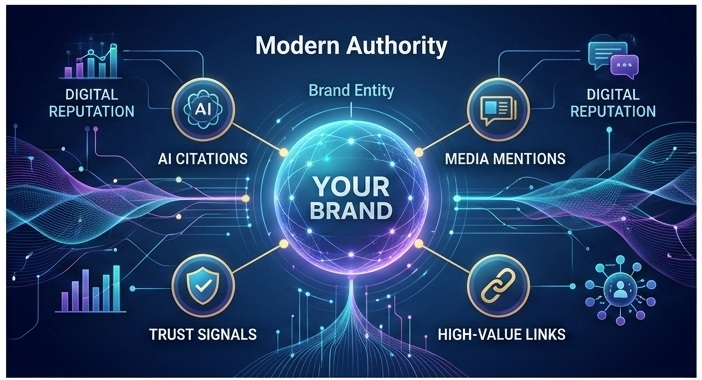
This comprehensive guide will walk you through the advanced strategies required to dominate the off-site landscape this year.
1. Understanding the 2026 Off-Page Landscape
Boost Your Off-Page SEO used to be synonymous with link building. Today, it encompasses every signal that happens away from your website that tells search engines you are a trusted leader in your niche.
In 2026, the primary goal of Boost Your Off-Page SEO optimization is to influence E-E-A-T (Experience, Expertise, Authoritativeness, and Trustworthiness). Google and AI models like Gemini now use “Brand Mentions” and “Social Proof” as heavily as they use traditional hyperlinks.
2. The Power of Brand Mentions (Unlinked Brand References)
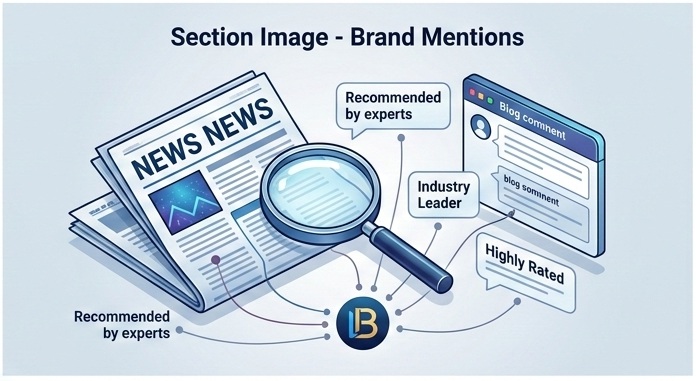
One of the most effective ways to Boost Your Off-Page SEO in 2026 is through unlinked brand mentions.
Search engines are now capable of associating your brand name with specific keywords even without a clickable link. If major industry publications mention your brand in the context of “SEO expertise,” search engines “connect the dots.”
How to Earn Brand Mentions:
- Digital PR: Focus on getting your experts interviewed on high-authority podcasts or news outlets.
- Original Data & Research: Publish proprietary studies. When other sites cite your data (even if they forget the link), they are building your brand’s “Entity Strength.”
- Public Speaking: Engaging in webinars and industry conferences creates a digital footprint that AI crawlers pick up across social media and event platforms.
3. Optimizing for AI Citations (GEO)
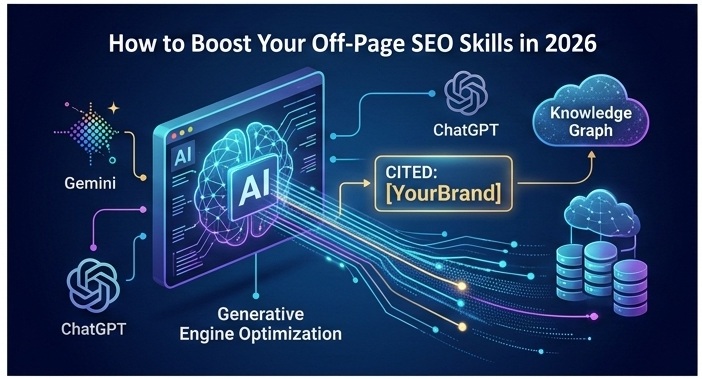
In 2026, Generative Engine Optimization (GEO) is a core component of off-page SEO. You don’t just want to rank in the “Blue Links”; you want to be the “Source” cited by AI Overviews.
AI models prioritize sources that are frequently mentioned across a variety of independent, high-authority platforms.
- Contribute to Wikis: Ensure your brand or experts have presence on niche-specific wikis and Wikipedia (if eligible).
- Expert Roundups: Participate in deep-dive industry discussions on platforms like LinkedIn or specialized forums.
- Consistent NAP: Ensure your Name, Address, and Phone number are consistent across the web to reinforce your “Entity” status.
4. High-Impact Link Building in 2026
While brand mentions are growing, high-quality backlinks remain a top-tier ranking factor. However, the type of link matters more than the quantity.
The “Quality Over Quantity” Pyramid:
- Tier 1: Editorial Links: Links embedded naturally within high-traffic, relevant articles.
- Tier 2: Guest Posting (Selective): Only post on sites that have actual human traffic and strict editorial standards.
- Tier 3: Niche Directories: Industry-specific directories (e.g., Clutch for agencies, Healthgrades for doctors).
Avoid: Private Blog Networks (PBNs), automated link comments, and low-quality “link farms.” In 2026, these will not only fail to help—they will likely trigger a manual penalty.
5. Strategic Social Signals & Community Building
Does social media help SEO? In 2026, the answer is a resounding yes, but indirectly.
Social media platforms are now search engines in their own right. When people search for your brand on TikTok or X (formerly Twitter), and then go to Google to find your site, that “Search Demand” is a massive signal to Google that your brand is relevant.
Strategies to Increase Social Signals:
- Community Engagement: Don’t just post links. Start discussions in Reddit communities or specialized Discord servers related to your niche.
- Influencer Collaborations: Partner with micro-influencers who have high engagement. Their endorsement acts as a “Social Backlink.”
6. Mastering Local Off-Page SEO
If you have a physical location, your off-page strategy must include local signals.
- Google Business Profile (GBP) Optimization: Regularly post updates, answer FAQs, and encourage customers to upload photos.
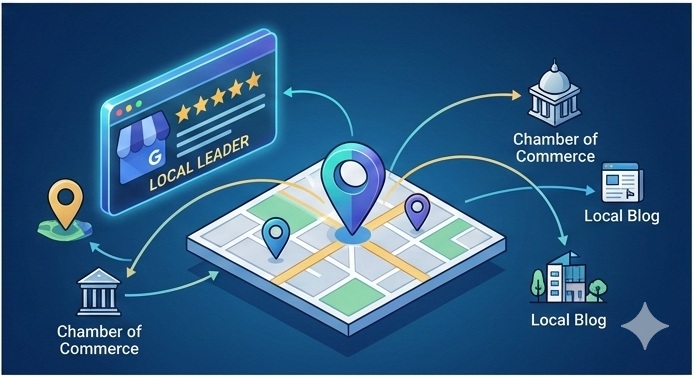
- Local Citations: Ensure you are listed in local chambers of commerce and neighborhood-specific blogs.
- Review Management: In 2026, search engines analyze the sentiment of your reviews. A high volume of positive, detailed reviews containing your keywords is a major ranking boost.
7. Monitoring Your Off-Page Health
You cannot Boost Your Off-Page SEO if you aren’t measuring it. Use tools like Semrush or Ahrefs to track your “Authority Score” and “Backlink Profile.”
Key Metrics to Watch:
| Metric | Why it Matters |
| Referring Domains | The number of unique websites linking to you. |
| Toxic Backlinks | Links from “spammy” sites that need to be disavowed. |
| Brand Search Volume | How many people are typing your brand name directly into Google. |
| Share of Voice | How often your brand is mentioned compared to competitors. |
8. Summary Checklist to Boost Your Off-Page SEO
To wrap up, here is your 2026 Off-Page action plan:
- Audit your current backlinks and disavow anything that looks like spam.
- Launch a Digital PR campaign to get mentioned on high-authority news sites.
- Partner with experts to create guest content for reputable industry blogs.
- Monitor your brand mentions using Google Alerts or Brand24.
- Focus on “Answerability”—make sure your brand is the go-to source for questions in your niche to win AI citations.
Conclusion
To truly Boost Your Off-Page SEO in 2026, you must stop thinking of yourself as a website owner and start thinking of yourself as a Brand Authority. By focusing on high-quality links, digital PR, and AI-ready citations, you will build a digital footprint that search engines simply cannot ignore.