
In the rapidly shifting digital landscape of 2026, the traditional boundaries of SEO have blurred. We are no longer just optimizing for a search engine results page (SERP); we are optimizing for AI discovery engines, LLM training sets, and multimodal search agents.
To achieve 2026 success, your Technical SEO Strategies must move beyond basic site maintenance. Technical SEO is now the “infrastructure of intelligence”—it is the framework that allows machines to not only crawl your site but truly understand the value and authority of your data.

1. The 2026 Paradigm Shift: From Crawling to Consumption
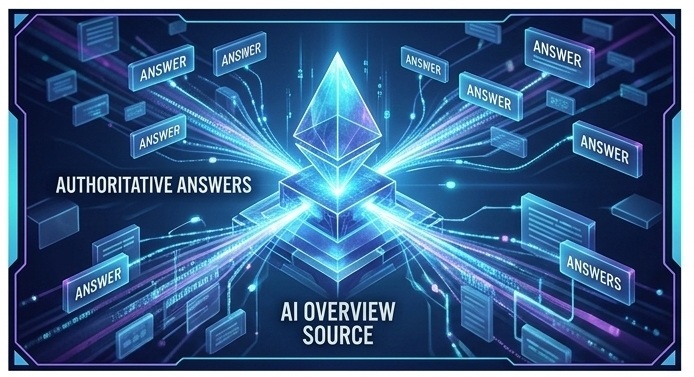
For decades, Technical SEO Strategies was about helping Googlebot “crawl and index.” In 2026, the focus has shifted to “Content Ingestion.” AI agents like Gemini, GPT-5, and specialized industry bots don’t just index your page; they consume your data to provide direct answers.
Why Your Strategy Must Change:
- Zero-Click Dominance: With AI Overviews (SGE) handling over 60% of informational queries, your technical setup must ensure your site is the cited source.
- Bot Governance: You now need to manage which bots can “train” on your data versus which bots can “search” your data.
- Data Liquidity: Your content must be formatted so it can be easily extracted and repurposed across different devices (AR glasses, voice assistants, and smart car interfaces).
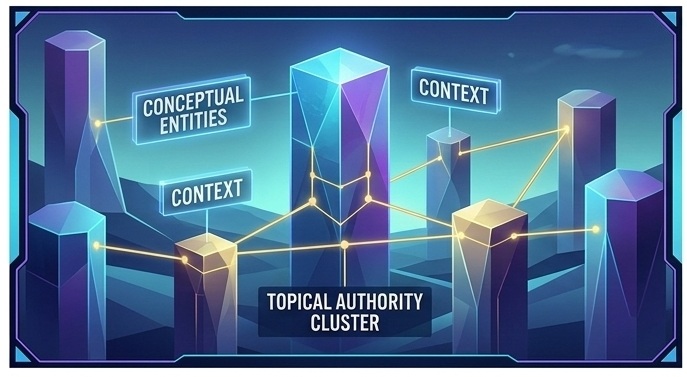
2. Advanced Schema: The Language of Entities
If keywords were the currency of 2016, Entities are the currency of 2026. Search engines no longer look for strings of text; they look for “things, not strings.”
Implementing Entity-Based Schema:
To Unlocking Technical SEO Strategies that work, you must use advanced JSON-LD Schema to define the relationships between your content and the real world.
sameAsProperties: Link your brand to recognized entities like Wikipedia, LinkedIn, and official government registries.citationMarkup: Explicitly tell search engines which peer-reviewed studies or authoritative sources support your claims.authorEntities: Connect your content to an author’s digital footprint (E-E-A-T) across the entire web.
3. Core Web Vitals & the INP Revolution
In 2026, the “Interaction to Next Paint” (INP) metric is the king of User Experience. It measures how quickly a page responds to a user’s click or keypress.
Optimization Tactics for INP:
- Reduce Main-Thread Work: Move heavy JavaScript to Web Workers.
- Optimize Script Loading: Use
deferandasyncstrategically, ensuring that the “Interactive” elements of your page load before the “Visual” fluff. - Minimize DOM Size: A massive DOM tree slows down browser processing. Keep your HTML lean and semantic.
4. The “Indexing Crisis” and API-First Indexing
Technical SEO Strategies In 2026, the volume of AI-generated content on the web is so massive that search engines have become extremely picky about what they crawl. Waiting for a bot to find your sitemap is a losing strategy.
The API-First Approach:
- IndexNow Protocol: Ensure your CMS is integrated with IndexNow to instantly notify Bing, Yandex, and other search engines when content is updated.
- Google Indexing API: Use the API for time-sensitive content like job postings, live broadcasts, or breaking news.
- Log File Analysis: Regularly monitor your server logs to see which AI bots are visiting your site. If a bot is consuming resources without sending traffic, it’s time to update your
robots.txt.
5. Rendering Strategies: Server-Side vs. Client-Side
Technical SEO Strategies With the rise of heavy JavaScript frameworks, many sites fail because search engines can’t “see” the content behind the code.
Recommendations for 2026:
- Dynamic Rendering: Serve a flat HTML version of your site to bots while giving users the full interactive JS experience.
- Server-Side Rendering (SSR): This remains the gold standard for Technical SEO. It ensures that the “first paint” includes all your SEO-critical content.
6. Multimodal SEO: Optimizing for Voice, Image, and Video
Technical SEO Strategies is no longer just about text. In 2026, search is multimodal.
- Video Indexing: Use Video Object Schema and provide timestamped “Key Moments” so Google can jump users directly to the answer within your video.
- Image Optimization: Beyond Alt Text, use High-Efficiency Image Formats (AVIF) and ensure your images are included in your Image Sitemap with clear descriptive metadata.
- Voice Search: Structure your content in “Question-Answer” pairs to capture the “Position Zero” in voice assistant results.
7. Security and Privacy as a Ranking Factor
In an era of deepfakes and data breaches, Trust is a technical requirement.
- HTTPS is the Minimum: In 2026, you should be moving toward HTTP/3 for faster, more secure connections.
- Privacy Manifests: Clearly define how you handle user data. Sites with transparent, easy-to-read privacy policies see a slight “Trust Boost” in AI-driven rankings.
8. 2026 Technical SEO Audit Checklist
If you want to Master Technical SEO Strategies, use this 10-point audit monthly:
- Check INP scores in Google Search Console.
- Verify JSON-LD Schema using the Rich Results Test tool.
- Audit
robots.txtto manage AI scrapers vs. Search bots. - Analyze Crawl Budget in server logs.
- Test for “Invisible Content” by disabling JavaScript in Chrome DevTools.
- Validate Canonical Tags to prevent duplicate content issues.
- Optimize Sitemap.xml (remove 404s and redirects).
- Ensure Mobile-First parity (does the mobile site have the same content as the desktop site?).
- Check Image Compression (all images under 100kb).
- Test API Indexing speed for new posts.

Conclusion: The Future of Technical SEO
Winning in 2026 requires a shift from “fixing errors” to “optimizing for understanding.” By focusing on Entity-based Schema, INP performance, and API-driven indexing, you provide the structural foundation that AI engines need to trust and recommend your content.
Technical SEO is no longer a one-time setup; it is a continuous process of refining how the world’s most powerful machines perceive your brand.